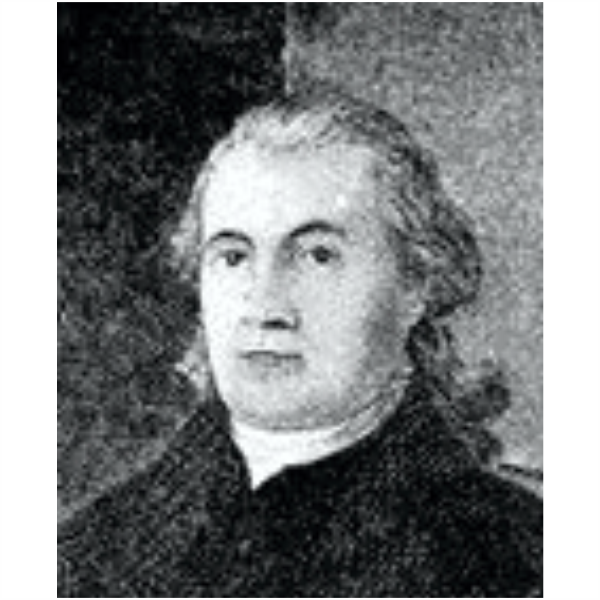
Nathan Bangs (1778-1862) was an influencial Methodist preacher that saw as early as 1802 the problem inherent in Hopkinsian theology that elevated disinterested benevolence and diminished religious affections as evidence of regeneration. In 1815, he wrote The Errors Of Hopkinsianism Detected and Refuted. The rebuttel, A Vindication, Of Some Of The Most Essential Doctrines Of The Reformation written by Presbyterian Hopkinsian minister Reverend Seth Williston (1770-1851) is also available here.
Nathan Bangs biography contains the prevalent positive view of the “religious excitements” of the Presbyterian New Light Calvinist (Hopkinsian and Bellamite) Sacramental Meetings of the Second Great Awakening: Bangs says the meetings got the people's attention and "the 'great revival' which followed, and which swept over the whole valley of the Mississippi, unquestionably broke down the prevalent deism, and opened the way for the most rapid religious development recorded in the history of any modern people.”
“Remarkable demonstrations of religious feeling attended these great assemblies...Hearers, hundreds of hearers would fall as dead men to the earth under a single sermon. The extraordinary scenes called the jerks began at one of these meetings. They were rapid, jerking contortions, which seemed to be always the effect, direct or indirect, of religious causes, yet affected not only the religious, but often the most irreligious minds. Violent opposers were sometimes seized by them; men with imprecations upon their lips were suddenly smitten with them… Horsemen, charging in upon the meetings to disperse them, were arrested by the strange affection at the very boundaries of the worshiping circles, and were the more violently shaken the more they endeavored to resist the inexplicable power…
"Prior to the introduction of camp-meetings infidelity prevailed generally in the new states of the West, the effect, to a great extent, of the writings of Thomas Paine, and of his great personal influence in America during the recent revolutionary struggle. Many wise, as well as devout men, who witnessed the results of these meetings, believed that they were a providential provision for the counteraction of the deism and corruption which seemed to threaten with utter demoralization that vast country — the seat of future and gigantic states—and that the astonishing physical phenomena which attended them were a necessary means of arresting the popular attention. The "great revival" which followed, and which swept over the whole valley of the Mississippi, unquestionably broke down the prevalent deism, and opened the way for the most rapid religious development recorded in the history of any modern people.”
 |
|