
How Raccoon John Smith
Relates to
the
Heresy of
Decisional Regeneration
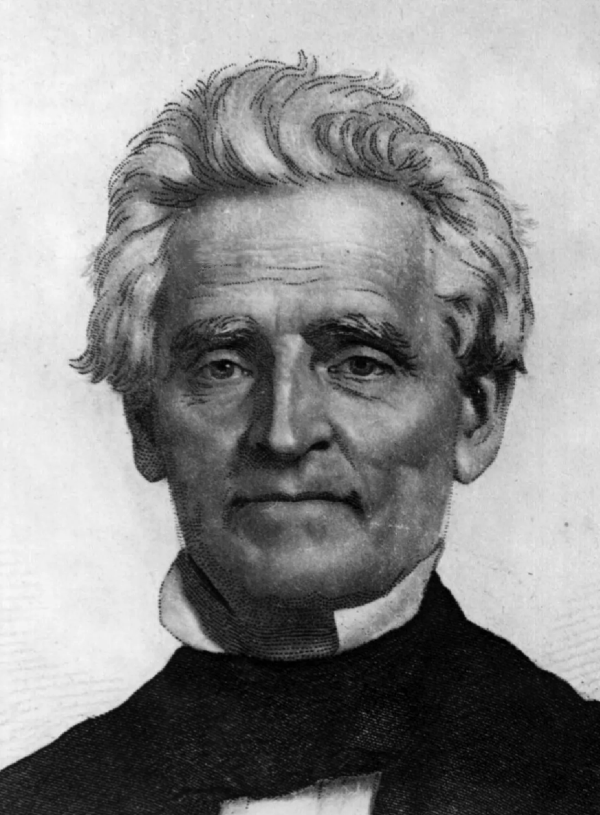 |
| "Raccoon" John Smith (1784-1868) |
"Raccoon" John Smith (1784-1868) boasted to his wife, that in just a few months, he had "baptized 700 sinners and capsized 1500 Baptists" . Baptist Circulars in 1830 warned members against the errors of Cambellism in an effort to stop the defections. Salvation was asured if someone just believed with "bare faith" that Jesus is the Messiah and was baptized. The temptation to defect to the "Restorationist" way was so great that In the Baptist North District of Kentucky, 18 of the 26 Baptist churches converted to Campbellism. Smith was originally a Baptist that believed in supernatural regeneration and the indwelling of the Holy Spirit. These Biblical truths stood in the way of someone being saved simply by believing Christ had died for their sins. This is what theologians call "bare faith", or "uninformed faith", because unless the Holy Spirit supernaturally changes the heart and indwells the "convert", they do not have "informed faith", which is characterized by " faith working through love", which can happen only when the love of God is shed in the saint's heart through the indwelling Holy Spirit (Galatians 5:6, Romans 5:5). The irony is if a Restorationist only has bare faith, they are just as lost as the Baptist who never experiences supernatural regeneration and the indwelling of the Holy Spirit. When Smith met Alexander Campbell in 1824, he was open to the Restoration Movement theme that salvation is open to all based on bare faith in Christ, repentance from sin and baptism by immersion. Of course, if "bare faith" in Christ isn't the gift of saving faith by the saving grace of God (Ephesians 2:8), then the accompanying repentance from sin and baptism by immersion are not "outward signs of an inward grace", but just an attempt to convince oneself they are saved. The Bible says saints must be "born, not of blood, nor of the will of the flesh, nor of the will of man, but of God" (John 1:13). Smith played a key role in bringing the Barton Stone and Alexander Campbell movements together in 1832. It was Smith that shook ahnds with Barton Stone, and Smith who spoke on behalf of the Campbells' supporters. Smith then spent three years traveling through Kentucky encouraging congregations associated with the Stone and Campbell movements to unite. |
 |